
What You Need to Know
Ethiopia is one of Africa’s most historically significant and populous nations, with a civilization that stretches back millennia and a central role in the Horn of Africa. Home to ancient kingdoms, distinctive cultures, and a long tradition of sovereignty, Ethiopia has never been colonized in the conventional sense. Today, the country is navigating demographic growth, economic transformation, and political complexity while remaining a pivotal regional power.
Ethiopia at a Glance
Capital: Addis Ababa
Population: ~125–130 million
Official Language: Amharic
Government: Federal parliamentary republic
Economy: Agriculture-led with growing industry and services
Key Strengths: Large population, agricultural base, diplomatic influence, cultural heritage
Regional Role: Political and diplomatic anchor of the Horn of Africa
Why Ethiopia Matters
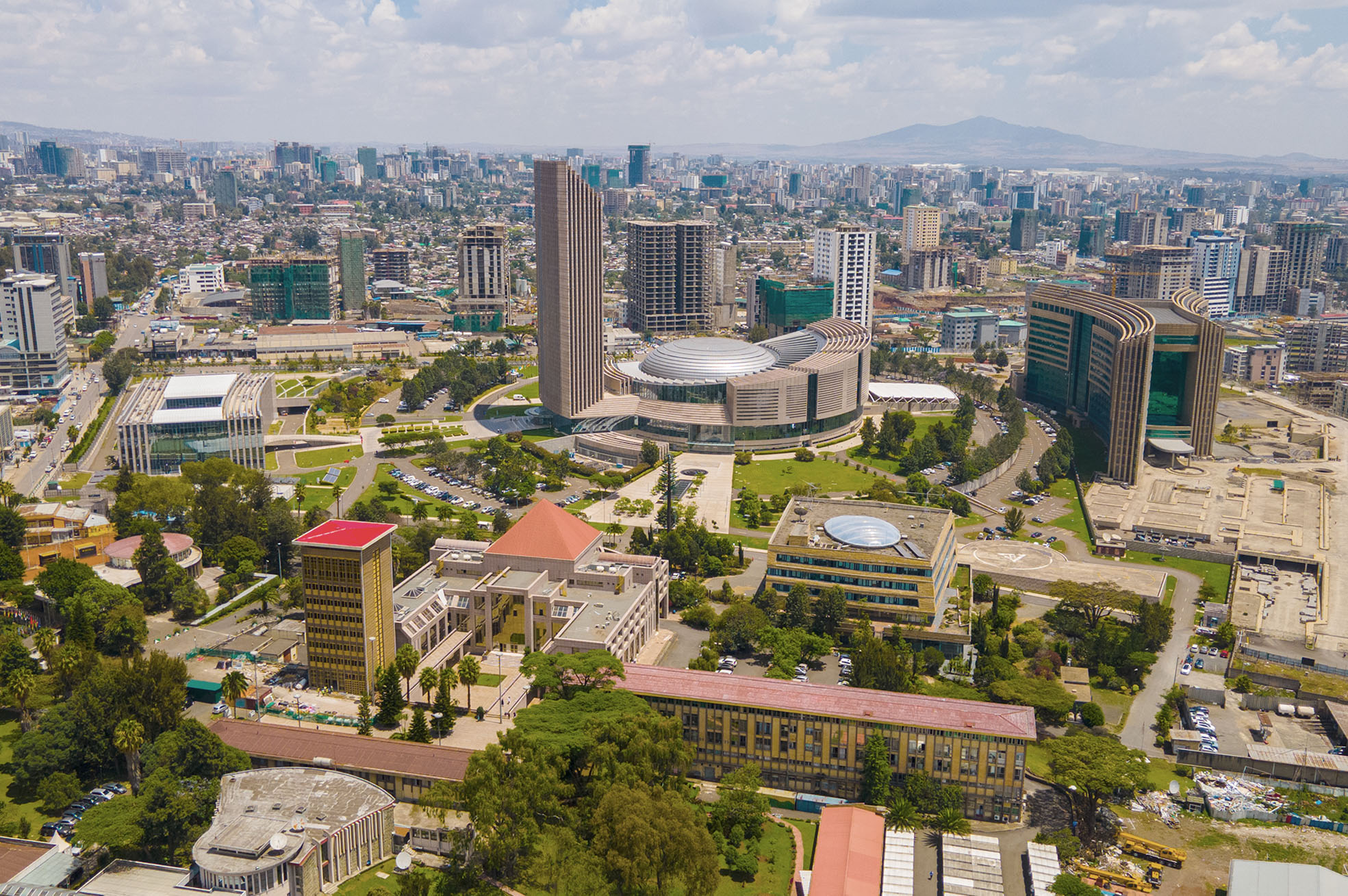
Ethiopia matters because of its scale, history, and influence. As Africa’s second-most populous country and the diplomatic capital of the continent—hosting the African Union—Ethiopia shapes regional politics, security, and development agendas. Its economic trajectory, internal stability, and regional relationships have far-reaching implications for the Horn of Africa and beyond.
Geography and Location
Ethiopia is located in East Africa, bordered by Eritrea to the north, Djibouti and Somalia to the east, Kenya to the south, and South Sudan and Sudan to the west. Although landlocked since Eritrea’s independence, Ethiopia remains deeply connected to regional ports through trade corridors.
The country’s geography is remarkably diverse, featuring highland plateaus, fertile valleys, deep gorges, and arid lowlands. The Ethiopian Highlands are often referred to as the “Roof of Africa,” while the Great Rift Valley runs through the country, shaping climate and settlement patterns.
People and Society
Ethiopia has a population exceeding 120 million people and is one of Africa’s most ethnically and linguistically diverse nations, with more than 80 ethnic groups. Major groups include the Oromo, Amhara, Somali, and Tigray, among many others.
Amharic is the federal working language, while numerous regional languages are officially recognized. Ethiopia is religiously diverse, with Christianity and Islam practiced by large portions of the population, alongside traditional belief systems.
A young population and rapid urbanization are transforming Ethiopian society, particularly in cities such as Addis Ababa.
A Brief Historical Context
Ethiopia is one of the world’s oldest continuous civilizations. Ancient states such as the Kingdom of Aksum were major centers of trade and early Christianity. Ethiopia adopted Christianity in the 4th century, shaping its religious and cultural identity.
Unlike most of Africa, Ethiopia largely resisted European colonization, aside from a brief Italian occupation in the 1930s. The country later became a founding member of the United Nations and played a leading role in Pan-Africanism.
Modern Ethiopian history includes imperial rule, socialist military government, and the establishment of a federal republic. These transitions continue to influence political structures and national identity.
Government and Politics
Ethiopia is a federal parliamentary republic, organized along ethnolinguistic lines. The federal system grants significant autonomy to regional states, a defining feature of governance.
Political life has been marked by reform efforts, internal conflict, and debates over national unity, federalism, and inclusion. Strengthening institutions and maintaining cohesion remain central challenges.
Economy: Agriculture, Industry, and Transformation
Ethiopia has one of Africa’s fastest-growing economies over the past two decades, driven by public investment, agriculture, and industrial development. Agriculture employs the majority of the population and is a major source of exports, including coffee—the country’s most iconic product.
Key economic priorities include:
Agricultural modernization and food security
Manufacturing and industrial parks
Infrastructure and energy development
Expanding services and digital sectors
Large-scale projects, including hydropower development, are reshaping the country’s economic landscape.
Trade, Diplomacy, and Regional Influence
Ethiopia is a leading diplomatic actor in Africa and hosts the headquarters of the African Union in Addis Ababa. It plays a central role in regional mediation, peacekeeping, and development initiatives.
Despite being landlocked, Ethiopia maintains vital trade links through neighboring ports and remains deeply integrated into regional economic systems.
Tourism and Cultural Heritage
Ethiopia is one of Africa’s richest cultural tourism destinations. UNESCO World Heritage Sites include the rock-hewn churches of Lalibela, the historic city of Harar, and the Simien Mountains.
Natural attractions range from highland landscapes to the otherworldly Danakil Depression. Tourism potential is significant, though infrastructure and security conditions vary by region.
Safety and Travel Considerations
Travel conditions differ across Ethiopia’s regions. Major cities and established tourist destinations are generally accessible, while some areas experience periodic unrest. Travelers are advised to monitor official guidance and local conditions closely.
Culture and Daily Life
Ethiopian culture is deeply rooted in tradition, faith, and community. Coffee ceremonies, music, dance, and cuisine are central to social life.
Daily routines blend ancient customs with modern urban rhythms, reflecting the country’s long continuity and rapid change.
Sports and National Identity
Athletics holds a special place in Ethiopian national identity, with the country renowned globally for long-distance running. Football is also widely followed and contributes to national unity and youth culture.